Equipment Finance Broker: Finance That Fits Your Tax Position
Business Finance


Jacob Sutcliffe


Buying a piece of equipment usually involves two decisions that get made separately. The first is how to fund it, which most owners settle by ringing their bank. The second is how the purchase will be treated for tax, which often isn't looked at until the accounts are being prepared, months after the paperwork was signed.
An equipment finance broker solves the first problem by comparing banks, non-bank lenders and specialist equipment financiers instead of relying on one lender's answer. Causbrooks Finance goes a step further, because we work alongside Causbrooks Chartered Accountants. The finance structure is checked against your tax position, cash reserves and year-end timing before you commit, not after.
That matters most when the deal isn't textbook: a young business, a used machine bought privately, a year of losses, or an ATO debt still being paid down. It also matters for the many established businesses that simply want the right structure and a fair rate without shopping around themselves.
This guide explains what an equipment finance broker does, how the main types of finance compare, how they're treated for tax, and what to look for when choosing a broker.
An equipment finance broker arranges a loan or lease for business equipment by comparing a panel of lenders and recommending the one that best suits the asset and the business. Rather than selling a single lender's products, the broker works out which lenders are likely to approve the deal on good terms and manages it through to settlement.
The work starts with the purchase itself: what the equipment is, who is selling it, what it costs and how it will earn its keep. The broker then looks at the business behind the application, including how long it has traded, how recent the financials are, what debts it already carries and anything a credit assessor is likely to question. From there they narrow the panel to the lenders whose policies fit.
Once a lender is chosen, the broker negotiates the rate, term, deposit and any balloon or residual, prepares the application and handles the lender's questions. After approval they line up the supplier's tax invoice with the loan documents so the supplier is paid and you can take delivery. A good broker also keeps in touch afterwards, because growing businesses tend to need their next asset sooner than they expect.
Your bank can only offer its own equipment finance, assessed under its own credit rules. For an established customer buying a standard asset with tidy financials, that may be all you need, and banks remain a sensible choice in plenty of cases.
The catch is that one lender gives you one answer. If the bank lends less than you asked for, wants a bigger deposit or extra security, or says no, you have no way of knowing whether that's a fair outcome. Approaching other lenders yourself takes time, and each formal application can leave an enquiry on your business and personal credit files.
A broker's panel usually includes the major banks alongside non-bank lenders and specialist equipment financiers. Those specialists are often more comfortable with particular industries, older or used machinery, private sales and businesses with a short trading history, and some can approve smaller deals quickly through streamlined processes. Knowing each lender's appetite means the application goes to a lender likely to say yes, rather than collecting declines along the way.
The trade-off is that your equipment finance may sit with a different lender from your overdraft or business loan. For most owners, a better rate, a faster approval or getting a deal done that the bank wouldn't touch is worth an extra lender relationship.
The structure of your equipment finance can be worth as much as the interest rate. Whether you own the asset or lease it changes how depreciation, interest and GST are claimed, and when the deal settles can decide which financial year the deduction falls in.
Your accountant knows the things a lender never sees: whether you're heading for a large tax bill, how much cash the business really has once BAS and super are paid, and what else is planned for the year. A broker knows which lenders will approve the deal and on what terms. When those two conversations happen separately, the gaps show up later. A lease gets signed when ownership would have suited the tax position better, a balloon lands in a lean year, or a machine settles in early July and misses the deduction the owner was counting on.
Causbrooks Finance exists to close that gap. Because we work alongside Causbrooks Chartered Accountants, the proposed structure is reviewed against your accounts before you sign, and your accountant is kept in the loop after settlement. If you use a different accountant, we're happy to work with them in the same way.
There are four common ways to finance business equipment in Australia. The main differences are who owns the asset during the term, how GST is handled and what happens at the end.
A chattel mortgage is the structure most Australian businesses use. The business owns the equipment from the start and the lender holds security over it until the loan is paid off. Repayments can include a balloon at the end to keep regular instalments lower. Because the business is the owner, it generally claims depreciation and the interest portion of repayments, and a GST-registered business can usually claim the GST on the purchase price in its next BAS.
With a finance lease, the lender owns the equipment and leases it to your business for an agreed term. Lease payments include GST and there's usually a residual value at the end. When the term finishes you can generally pay the residual, refinance it, or return the equipment and upgrade, depending on the agreement. It suits businesses that want fixed, predictable payments and don't need to own the asset.
An operating lease or rental is closer to renting. The financier owns the equipment and takes the risk on what it's worth at the end, and maintenance or upgrades are often bundled in. It works well for equipment that dates quickly, such as computers, phone systems and some clinical technology.
Under commercial hire purchase, the lender buys the equipment and your business hires it, with ownership passing to you on the final payment. It sits between a chattel mortgage and a lease and is less common than it used to be, since a chattel mortgage usually gets the same result more simply. Some lenders and asset types still call for it.
| Structure | Who owns it during the term | GST on the purchase | End of term | Often suits |
|---|---|---|---|---|
| Chattel mortgage | Your business | Usually claimed upfront | Yours once paid, including any balloon | Equipment and vehicles you want to own |
| Finance lease | Lender | Paid within each payment | Pay residual, refinance or return | Fixed payments without ownership |
| Operating lease or rental | Lender | Paid within each payment | Return or upgrade | Technology that dates quickly |
| Commercial hire purchase | Lender until final payment | Usually claimed upfront | Ownership passes on final payment | Specific lender or asset requirements |
Which of these is right depends on your tax position, so it's worth confirming with your accountant before you sign.
How you finance equipment changes how it's taxed, and the difference can outweigh a fraction of a percent on the rate.
Under a chattel mortgage the business owns the asset, so it generally claims depreciation on the equipment plus a deduction for the interest it pays. A GST-registered business can usually claim the GST in the purchase price on its next activity statement, which can give cash flow a real lift in the quarter the equipment arrives. Under a lease the business doesn't own the asset. Lease payments are generally deductible where the equipment is used in the business, and GST is paid and claimed on each payment rather than upfront.
Small businesses may also be able to write off eligible assets in one year under the instant asset write-off, rather than depreciating them over several. The threshold and rules have changed many times, and the asset generally needs to be first used or installed ready for use by 30 June of the relevant year. Settlement and delivery dates matter, which is exactly the kind of detail that slips when the finance is arranged without your accountant.
Cash flow deserves the same attention as tax. A balloon lowers regular repayments but leaves a lump sum to plan for. Seasonal repayments can match a farm's or a contractor's income. A larger deposit may bring the rate down but ties up cash the business might need elsewhere. At Causbrooks Finance, we model these choices against your accounts with your accountant, so the repayment schedule fits the business you actually run.
Most assets with a resale value and a clear business purpose can be financed. Lenders look hardest at how easily the asset can be valued and resold, how long it will last and whether it will generate income. Several lenders specialise in particular industries, which is where comparing a panel pays off.
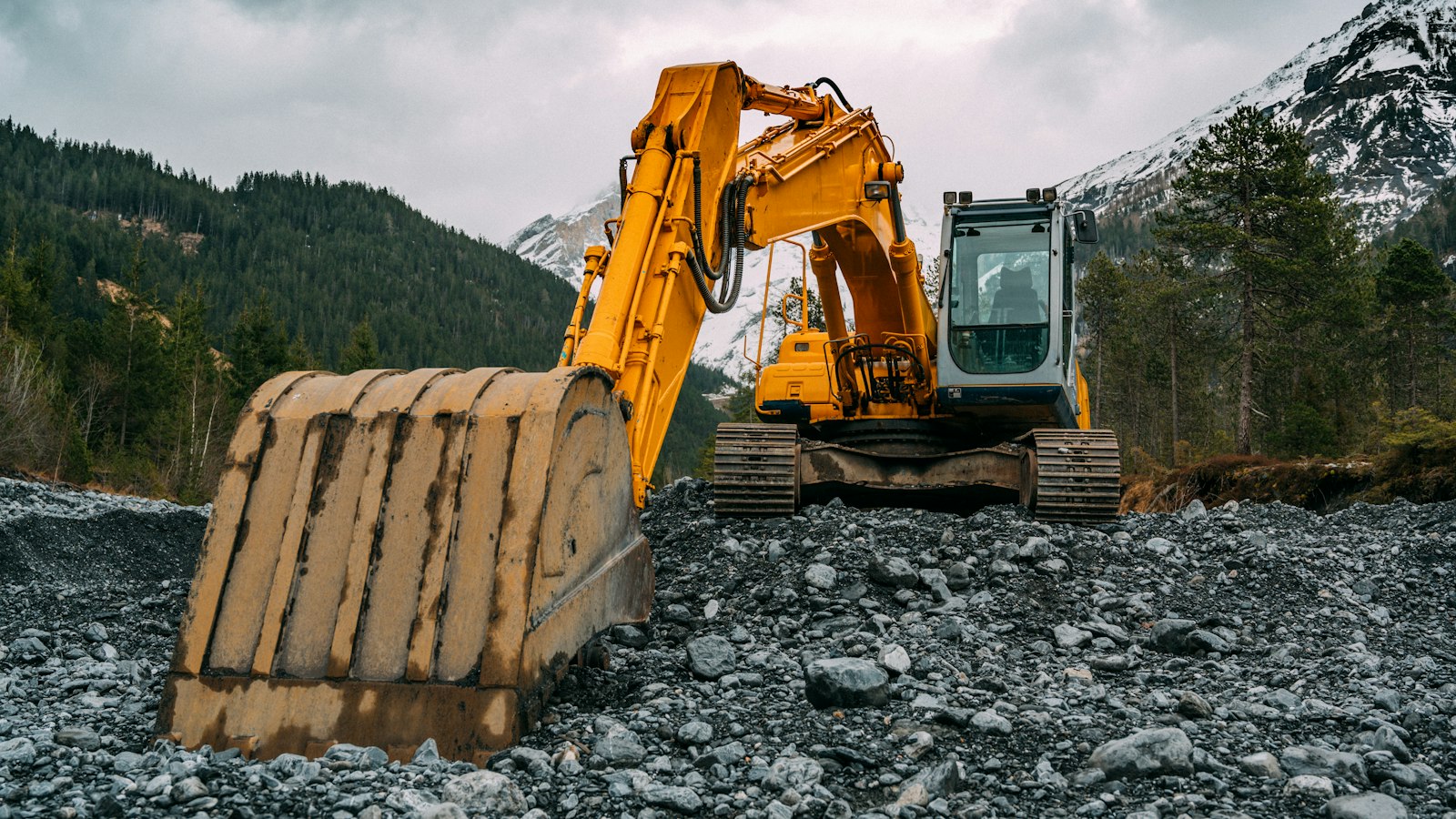
Excavators, loaders, skid steers, cranes and attachments hold their value well and are familiar territory for lenders. Specialist financiers will often accept older machines and contract or seasonal income, as long as the pipeline of work is clear. Established operators can frequently access low or no deposit options.
Imaging equipment, dental chairs, surgical gear and practice fit-outs are regularly financed for new and growing practices. Some lenders run programs for health professionals that give weight to a practitioner's earning capacity, which helps a newly opened practice without much history. Equipment that is upgraded often may be better suited to a lease or rental.
Tractors, harvesters, sprayers and irrigation can be financed with repayments set around the farm's income, such as seasonal or annual payments after harvest. Specialist agricultural lenders understand uneven income in a way some general lenders don't.
Prime movers, trailers, light commercial vehicles, utes and fleet cars are some of the most commonly financed business assets. The right structure depends on who drives the vehicle and how it's used, and may be a chattel mortgage, a lease or a novated lease for employees. Our asset finance page covers vehicles and other asset types in more detail.
Used equipment can be financed too, and the lower price often makes the numbers work better. The lender will usually confirm the age, condition and value of the asset. For a private sale, they will also check that the seller owns it outright and that no other lender has security registered over it. Knowing early which lenders accept older assets or private sellers means you don't lose a good machine while waiting on a decline.
Plenty of good businesses don't tick every box on a bank's checklist. The business might be new, its financials might be a year behind, a tough year might have produced a loss, or there might be an ATO debt on the books. None of these automatically rules out equipment finance, but each one narrows the list of willing lenders.
Low doc equipment finance lets established businesses borrow without full financial statements. Instead, lenders typically look at time in business, ABN and GST registration, recent BAS or bank statements, and sometimes a letter from the business's accountant. Rates can be a little higher than a full doc loan. For many owners, though, it's the practical way to get an asset working while the year-end accounts are still being finalised. Because Causbrooks Finance sits alongside the accounting team, an accountant's letter or up-to-date management figures can often be prepared quickly.
For businesses with a short trading history, some lenders weigh up the owners' industry experience, their personal assets and the quality of the asset being bought. Others run starter programs for particular professions or industries.
An outstanding tax debt is one of the most common reasons an equipment application stalls. Some lenders won't proceed while a debt is owing. Others will, provided a payment arrangement is in place and being kept to. Sometimes the best answer is to deal with the tax debt first, or alongside the equipment purchase. Our guide to tax debt loans explains the options, and it's a decision worth making with your accountant. Telling your broker about the debt upfront gives them the best chance of placing the deal with a lender who is comfortable with it.
Whether it's a single ute or a full workshop fit-out, the process follows the same steps.
The most common delays come from missing paperwork or a supplier invoice that doesn't match the approval, so getting these right early saves days.
For most equipment finance the broker is paid by the lender when the loan settles, so many businesses pay nothing directly for the broker's time. Some brokers also charge a fee for complex or time-consuming deals. Whichever applies, a reputable broker tells you upfront and in writing how they are paid before you commit.
It's reasonable to ask how the broker is paid by each lender they recommend and why they chose that lender for you. A good broker answers both questions without hesitation. The figure that really matters is the total cost of the finance over its life: the rate, establishment and ongoing fees, any balloon or residual, and what it would cost to pay the loan out early.
Often a broker lowers that total by finding a sharper rate, a structure that matches your cash flow, or an approval that saves you from a costlier fallback such as delaying the purchase or hiring equipment short term.
Start with credentials. Ask whether the broker holds an Australian credit licence or is a credit representative under one, and check the details on ASIC's registers. Much business equipment finance sits outside the consumer credit laws, but a properly licensed broker working under an established aggregator brings the compliance, training and lender access that go with it.
Then look at the panel. A broker with only a few lenders can't meaningfully compare the market, so ask how many lenders they use for equipment finance and whether non-bank and specialist financiers are included alongside the major banks.
Industry experience counts for more than most owners expect. A broker who regularly finances earthmoving gear, or who knows which lenders run programs for health professionals, moves faster and avoids dead ends. Ask for examples of similar deals they've done recently.
Finally, notice how they work. A good broker explains your options in plain English, tells you how they're paid without being asked twice, moves quickly when a supplier is waiting, and wants your accountant involved in the structure. If a broker is reluctant to bring your accountant in, treat that as a warning sign.
If you're pricing a new machine, vehicle or fit-out, talk to us before you sign the supplier's finance offer. We'll compare the market, check the structure with your accountant and handle everything through to delivery. Book a time with our team.
This category can cover topics such as record-keeping, journal entries, ledger maintenance, bank reconciliations, and other bookkeeping tasks that are essential to accurate accounting.
At Causbrooks Finance, we help business owners and investors secure smarter lending solutions — from SMSF loans and commercial property finance to home loans and business lending. We combine deep financial expertise with practical lending advice to help you borrow with confidence and structure loans that work for your long-term goals.
The content of this article is general in nature and is presented for informative purposes only. It is not intended to constitute tax or financial advice. All lending services are rendered by Zelos Finance Group, which is a Credit Representative (CRN 566666) of Finsure Finance and Insurance Pty Ltd (ABN 72 068 153 926). Lending services are authorised by Finsure Finance and Insurance Pty Ltd, Australian Credit Licence Number 384704.
An equipment finance broker compares banks, non-bank lenders and specialist financiers to find a loan or lease for your business equipment. They recommend a structure, negotiate the terms, lodge the application and coordinate settlement with the supplier, so you deal with one contact instead of several lenders.
It depends on the business and the asset. If you're an established customer making a standard purchase, your bank may offer a reasonable deal, but you only see that one offer. A broker can test it against other lenders and often finds better terms, or an approval where the bank is hesitant, for used equipment, newer businesses or specialised assets.
Most are paid by the lender when the loan settles, and some charge a fee for complex deals. A reputable broker tells you in writing how they're paid before you go ahead. Compare the total cost of the finance, including fees and any balloon, not just the headline rate.
The structure of the finance affects depreciation, interest deductions, GST and which financial year a write-off falls in. When the broker and accountant agree the structure and settlement timing before you sign, you avoid surprises such as a lease that suited the lender better than your tax position, or a purchase that settles a few days too late.
Some lenders offer low doc equipment finance based on time in business, ABN and GST registration, and recent BAS or bank statements instead of full financials. Newer businesses may be assessed on the owners' experience and the strength of the asset. Expect a narrower choice of lenders and possibly a higher rate.
Yes. Many lenders finance used equipment and private sales, after checking the asset's age, condition and value, confirming the seller owns it and making sure no other lender has security over it. Some lenders cap the age of the asset at the end of the term, so check early.
Neither is better in every case. With a chattel mortgage the business owns the asset, generally claims depreciation and interest, and can usually claim the GST upfront. With a lease, payments are generally deductible and GST is spread across each payment. The right choice depends on your tax position, which is why we check it with your accountant.
Straightforward deals for established businesses can be approved quickly, sometimes within a day or two. Larger amounts, specialised equipment, private sales or full doc applications take longer. Having your ID, ABN details, the supplier's quote and any financials ready at the start is the simplest way to speed things up.


Talk with our loan specialists about how much you can borrow today. Fill out the quick assessment form and we'll help you plan your first home purchase.


All lending services are rendered by Zelos Finance Group, which is a Credit Representative (CRN 566666) of Finsure Finance and Insurance Pty Ltd (ABN 72 068 153 926). Lending services are authorised by Finsure Finance and Insurance Pty Ltd, Australian Credit Licence Number 384704.